When it comes to protecting your home from the unpredictable forces of nature, the roof is your first line of defense. One of the most important factors to consider when selecting new shingles is their wind resistance rating. This rating indicates how well the shingles can withstand strong winds, which is especially crucial in areas prone to severe weather. Understanding wind resistance ratings can help homeowners make informed decisions that ensure the longevity and durability of their roofing investment. By choosing shingles with appropriate wind resistance, you can safeguard your home against costly damage and maintain its structural integrity for years to come.
Understanding wind resistance ratings
The basics of wind resistance ratings
Wind resistance ratings are a standardized measure used to indicate how well roofing shingles can withstand high winds without being damaged or blown off. These ratings are determined through rigorous laboratory testing, where shingles are subjected to simulated wind conditions to assess their performance. The results are then categorized according to industry standards, such as those set by the American Society for Testing and Materials (ASTM) and Underwriters Laboratories (UL). The most common ratings you will encounter are Class A, B, and C, with Class A offering the highest level of wind resistance. Additionally, some shingles are rated to withstand specific wind speeds, such as 110 mph or 130 mph, providing homeowners with clear benchmarks for comparison. Understanding these ratings is essential for making an informed choice, especially in regions where high winds are a frequent concern. By selecting shingles with a suitable wind resistance rating, you can reduce the risk of roof damage and the associated repair costs that come with severe weather events.
How wind resistance impacts shingle performance
The wind resistance rating of a shingle directly affects its ability to remain intact and functional during storms. Shingles with higher wind resistance are engineered with stronger adhesives, improved fastening systems, and enhanced design features that help them stay in place even when subjected to powerful gusts. This means that during a windstorm, high-rated shingles are less likely to lift, curl, or detach from the roof deck, which can prevent water infiltration and subsequent damage to the underlying structure. For homeowners in areas where windstorms, tornadoes, or hurricanes are common, investing in shingles with a high wind resistance rating is a practical way to protect both the roof and the interior of the home. Consulting with a Roofing Company Wichita can provide valuable insights into which shingles are most suitable for the local climate and building codes, ensuring that your roof is equipped to handle the specific challenges posed by regional weather patterns.
Factors that influence wind resistance
Several factors contribute to the wind resistance of roofing shingles, and understanding these can help homeowners make better choices when selecting new materials. The type of shingle plays a significant role, with architectural or laminated shingles generally offering higher wind resistance compared to traditional three-tab shingles. The installation method is equally important, as improper nailing or inadequate sealing can compromise the shingle’s ability to withstand strong winds. Manufacturer guidelines often specify the number and placement of nails required to achieve the advertised wind resistance rating, and following these instructions is crucial for optimal performance. Additionally, the roof’s pitch and overall design can influence how wind interacts with the shingles, with steeper roofs typically experiencing less uplift pressure. Local building codes may also dictate minimum wind resistance requirements, especially in areas known for severe weather. By considering all these factors, homeowners can ensure that their new shingles provide reliable protection against wind-related damage.
Regional considerations for wind resistance
The importance of wind resistance ratings varies depending on the geographic location of your home. In regions where high winds are a regular occurrence, such as the Midwest or coastal areas, selecting shingles with a higher wind resistance rating is not just a recommendation—it’s often a necessity. Local weather patterns, including the frequency and intensity of storms, should guide your decision-making process. For example, homes in tornado-prone areas may require shingles rated for wind speeds of 130 mph or higher, while those in milder climates might be adequately protected with lower-rated products. Insurance companies may also take wind resistance ratings into account when determining coverage and premiums, making it even more important to choose wisely. Consulting local building codes and seeking advice from professionals familiar with the area’s climate can help ensure that your roof is up to the task of withstanding whatever nature throws its way.
The role of installation in wind resistance
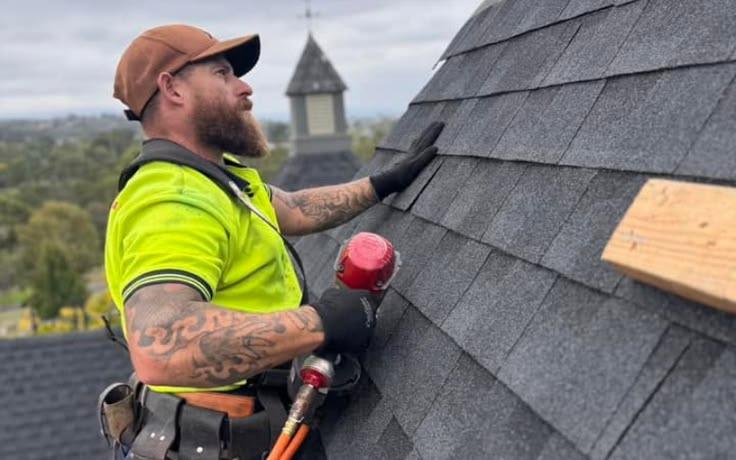
Proper installation is a critical factor in achieving the wind resistance rating advertised by shingle manufacturers. Even the highest-rated shingles can fail if they are not installed according to the manufacturer’s specifications. This includes using the correct type and number of fasteners, ensuring that shingles are properly aligned, and applying adhesives where required. Professional installers are trained to follow these guidelines, which helps maximize the performance and longevity of your roofing system. Homeowners should also be aware that some manufacturers offer enhanced warranties or guarantees when their shingles are installed by certified contractors. Regular maintenance, such as inspecting for loose or damaged shingles and addressing issues promptly, can further enhance the wind resistance of your roof. By prioritizing proper installation and ongoing care, you can ensure that your investment in wind-resistant shingles delivers the protection and peace of mind you expect.
Comparing shingle options
When evaluating different shingle options, it’s important to look beyond just the wind resistance rating. Other factors, such as material composition, warranty coverage, and aesthetic appeal, should also be considered. Asphalt shingles are the most common choice for residential roofs, but there are also options like metal, wood, and composite shingles, each with their own advantages and limitations. Some premium shingles are designed to offer both high wind resistance and enhanced durability against other elements, such as hail or UV exposure. Homeowners should weigh the initial cost of higher-rated shingles against the potential savings from reduced maintenance and fewer repairs over the life of the roof. Consulting product literature, reading customer reviews, and seeking recommendations from trusted professionals can help you make an informed decision that balances performance, appearance, and budget.
Maintenance tips for wind-resistant shingles
Maintaining wind-resistant shingles is essential for preserving their protective qualities over time. Regular roof inspections, especially after severe weather events, can help identify any issues before they escalate into major problems. Look for signs of lifted, cracked, or missing shingles, as well as any damage to flashing or sealants. Promptly addressing these issues can prevent water infiltration and extend the life of your roof. Keeping gutters clean and free of debris also helps ensure that water flows away from the roof, reducing the risk of leaks and structural damage. In addition, trimming overhanging branches can minimize the risk of impact damage during storms. By staying proactive with maintenance, homeowners can maximize the benefits of their wind-resistant shingles and protect their investment for years to come.
Why wind resistance matters
Wind resistance is a key factor in the overall performance and longevity of your roofing system. Shingles that can withstand high winds help prevent costly damage, reduce the risk of leaks, and maintain the structural integrity of your home. This is especially important in areas where severe weather is a common occurrence. By choosing shingles with appropriate wind resistance ratings and ensuring proper installation, homeowners can enjoy greater peace of mind and long-term savings on repairs and maintenance.
Conclusion
Selecting new shingles for your home involves more than just choosing a color or style; understanding wind resistance ratings is a crucial part of the decision-making process. These ratings provide valuable information about how well shingles can protect your home from the damaging effects of high winds, which is particularly important in regions prone to severe weather. By considering factors such as shingle type, installation quality, and local climate, homeowners can make informed choices that enhance the durability and safety of their roofs. Regular maintenance and prompt repairs further ensure that wind-resistant shingles continue to perform as intended, safeguarding your home and providing lasting value. Making the right choice today can help prevent costly damage and provide peace of mind for years to come.
About the Author