With the increasing prominence of digital banking, safeguarding customer accounts and financial data has become a priority for financial institutions. Traditional security measures are still in use, including passwords and PINs, and one-time verification codes. But these methods are susceptible to phishing, identity theft and unauthorized access. Biometric technology is another security measure that uses unique physical traits of individuals to confirm identity as customers.
Biometric software helps banks provide greater security when delivering digital services and enhances customer experience. Facial recognition, voice identification, and fingerprint authentication can be used together to enhance financial institution security measures and minimize the danger of using traditional authentication methods.
How Biometric Software Enhances Banking Security
One of the primary benefits of biometric technology is that it can be used for both registration and authentication. Biometric engines can record and analyze a person’s face, voiceprint or fingerprints during the process of registration to establish a unique biometric template. Once the customer logs into their account later, the system will match the customer with the earlier registered data using his or her biometric information.
Additional identity checks, such as an ISO 19794-5 compliance check, age estimation and even identification of hats and glasses are possible with modern solutions. These features can help enhance the quality of images and enable more accurate identity verification when onboarding online.
Account access is also made easier with biometric authentication. The customer can use their personal biometric data to verify their identity, without having to remember long passwords or enter verification codes repeatedly.
Preventing Identity Fraud with Presentation Attack Detection (PAD)
Another security measure that is significant is Presentation Attack Detection (PAD). This technology can be used to detect when someone is trying to fool a biometric system by using a picture of them, a video recording, a mask or an artificial representation.
PAD algorithms check the authenticity of biometric data, that is, whether it is from a real, living person or a potential impersonation. This is especially important when the customer registers for banking remotely without having to come to a bank branch.
Liveness detection can be embedded in authentication flows so that banks can significantly make it more difficult for fraudsters to log in to an account with stolen personal information.
Multiple Biometric Methods for Greater Flexibility
Financial institutions may have varying security needs based on the services offered, customer base, and digital infrastructure. For this reason, it can be of great benefit to support multiple biometrics.
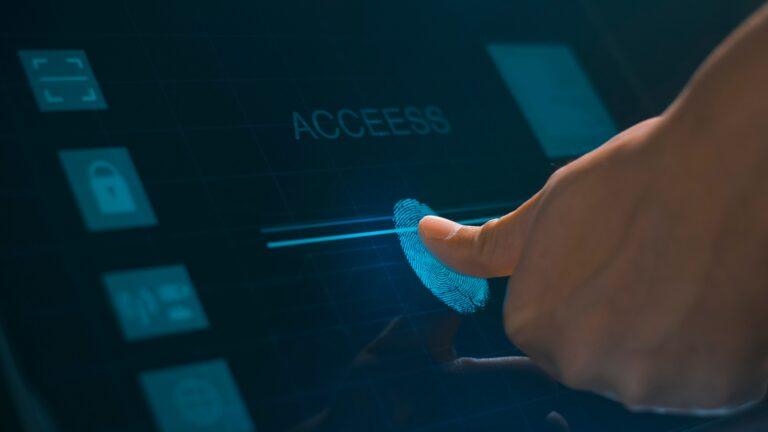
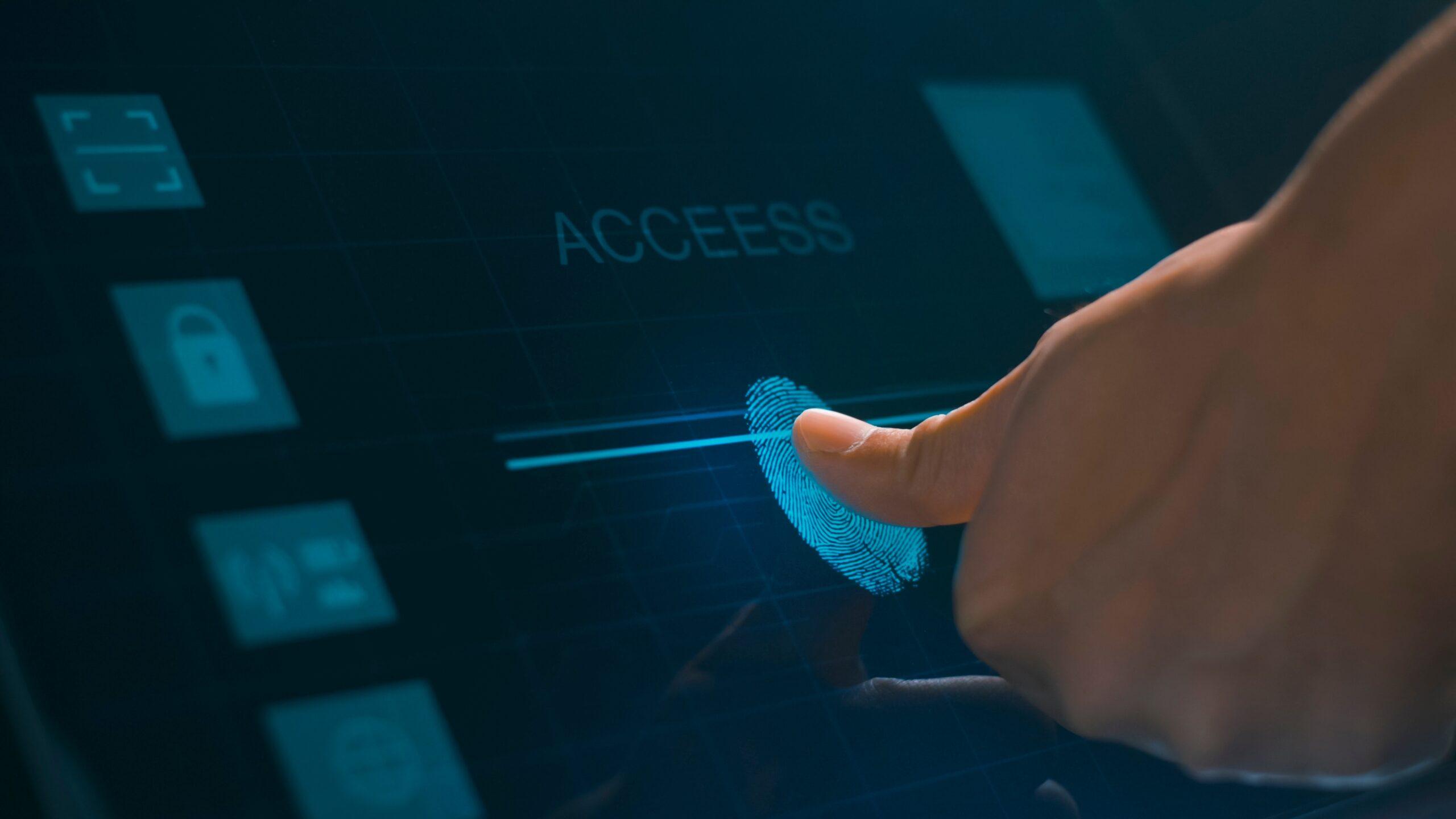
Customers can be identified by face, voice or by capturing their fingerprint without contact. Depending on the level of security desired, banks may choose one modality or a combination of modalities.
For instance, facial recognition can be used for regular mobile banking authentication, and fingerprint verification can be a secondary authentication method when customers are enrolling in a new account or handling high-risk transactions. In the context of voice-based services, voice recognition can assist with the verification process.
Contactless fingerprint technology is particularly beneficial because it enables users to obtain a fingerprint without physical contact with the scanner. The solutions, like contactless fingerprint capture, show how this can be applied to enable convenient and reliable biometric authentication.
Seamless Integration with Banking Systems
Biometric software should function well on various databases. Web-based services are one part of modern banking infrastructure and mobile apps are essential.
A web service element can enable financial institutions to deploy their biometric solution in their local environments and connect it to thin client, browser based applications or mobile devices. Live video stream capture can be used to facilitate face verification without having to install complicated software on the customer.
Another integration option is using the SDK for mobile devices. Native, stand-alone applications that can be built by developers and run directly on mobile devices to perform biometric operations can be created with the help of compact libraries.
A comprehensive API also facilitates easier implementation thanks to its functions for enrollment, verification, liveness detection, quality checks, and biometric template interchange. Development and integration can be further simplified by having programming examples for various programming languages.
Ensuring Customer Privacy and Data Protection
Security doesn’t just mean “preventing access. Financial institutions will also have to take into account the collection, processing and storage of biometric information.
Facial images and biometric templates may be kept on the customer’s device, on a central server or a combination of both. In some cases, the only thing required are facial images to create templates and to detect liveness, and the images can then be disposed of.
This can contribute to lessening the amount of unnecessary data being stored and promote better privacy protocols. Sensitive biometric data should also be protected by applying suitable encryption, access control and data retention policies at the banks.
Shaping the Future of Digital Banking
Biometric authentication is now playing a vital role in the current financial security system. It enables the banks to enhance identity verification, minimise the risk of impersonation and to streamline access to digital services.
By selecting a banking biometrics software that offers flexibility in integration, multiple biometric modalities and robust security capabilities, financial institutions can create more robust banking digital environments.
Some solutions offer more flexible models for managing costs of operations, through use-based licensing systems that charge based on actual system usage.
In conclusion, the integration of biometric technology with traditional banking security protocols can help to create a more secure and convenient environment for customers and a more robust and flexible banking system in the face of changing digital threats.
About the Author