When temperatures soar and your air conditioner seems to work harder than ever, poor comfort often comes down to something simpler than it looks: restricted airflow. In hot, arid climates, dust, attic heat, and long operating hours expose weak points in filters, ductwork, and controls. Before assuming the system needs replacement, a methodical airflow check can reveal why rooms feel uneven, the thermostat drifts above the desired temperature, or the outdoor unit never seems to cycle off. This article explains the telltale signs of an airflow problem, what a homeowner can safely check, how ducts and settings often sabotage performance, and which measurements truly answer whether equipment or installation is to blame.
1.Visible Symptoms of Low HVAC Airflow in Extreme Heat
Restricted airflow shows up in specific ways: weak air from supply registers, a living room that cools while a back bedroom stays warm, an iced copper refrigerant line set at the outdoor unit, or a system that runs nonstop yet never drops the return air temperature enough. Frost on the evaporator coil, water around the air handler after a thaw, and musty odors from a wet drain pan all hint that air is not moving across the coil as designed. If the coil floods and freezes repeatedly, or breakers trip after long cycles, a trained HVAC contractor should inspect the blower, coil, and refrigerant charge together because one weak point often masks another.
2.Quick Checks: Filters, Vents, and Temperature Split
Start where airflow meets resistance: the filter. A clogged 1-inch pleated filter can create enough pressure drop to restrict a blower, especially if returns are undersized. Swapping a heavily loaded filter for a fresh one is simple, but avoid stacking two filters or using a high-MERV filter in a small slot without confirming the system can handle it. Walk from room to room and fully open each supply register; closing several to force air elsewhere usually raises static pressure and reduces overall airflow. With a basic thermometer, compare return air temperature to supply air at a central vent. A very small or wildly fluctuating temperature difference suggests a cooling performance problem that may involve refrigerant charge, airflow, or a coil that is freezing and thawing.
Next, look at cleanliness where air and heat exchange happen. Dust storms can pack condenser coil fins with fine debris, elevating operating pressures and reducing cooling capacity. After shutting off power, a gentle rinse from inside out can help, but avoid bending fins or forcing water into electrical compartments. Indoors, a matted evaporator coil blocks air like a dirty filter you cannot see. If you find heavy lint on the side of the coil housing where air enters, pause and consider professional cleaning. While inspecting, verify the condensate drain is clear; a blocked drain can wet insulation, foster odors, and accompany a freezing coil that further restricts airflow.
3.Duct Problems That Hide in Attics and Walls
Even a pristine filter and coil cannot overcome poorly designed or damaged ductwork. Kinked flexible ductwork around trusses, long runs of undersized branches, or a single small hallway return can restrict airflow before it reaches the far rooms. Leaky joints at the supply plenum or return box can dump conditioned air into a 140-degree attic and pull hot, dusty air straight into the system. These issues can increase airflow resistance and total external static pressure, forcing the blower to work near its limits and often creating noisy, weak airflow that never satisfies the thermostat during afternoon peaks.
Consider a common scenario: a 1990s ranch with one central return grille and long runs to bedrooms at the back of the house. By 4 p.m., the rear rooms measure several degrees warmer than the living area, and the AC never cycles off. An inspection finds a crushed flexible duct section over a truss and a return-air restriction caused by an undersized grille. The remedy might include adding a dedicated return in the hot bedroom, sealing leaky joints with mastic, and rerouting or resizing a couple of branches. The consideration is the cost of duct improvements and attic work now versus years of higher bills, hot rooms, and early blower wear from consistently high static pressure.
4.Control Settings and Equipment Staging That Amplify Issues
Thermostat settings can quietly worsen airflow problems. Setting the fan to ON instead of AUTO runs the blower between cooling cycles, which can cause moisture on a wet coil to evaporate again and raise indoor humidity during monsoon spikes. On single-stage systems, oversizing for peak afternoon heat can cause short cycling the rest of the day, leaving rooms clammy and uneven even if the unit is technically large. By contrast, two-stage or variable-speed compressors paired with ECM blowers can move air more consistently, reduce temperature swings, and remove moisture when needed, but they still depend on ducts that allow proper airflow and returns large enough to support it.
Imagine a home where the owner cleaned the outdoor coil and opened a few closed registers, yet nights still feel sticky after storms. The thermostat shows the fan set to ON, so air keeps moving across a wet coil with no cooling engaged. Switching to AUTO and enabling dehumidification or comfort-staging features lets a compatible system adjust blower speed and cooling cycles to remove moisture rather than reintroduce it. If the thermostat supports it, verify the correct equipment type and staging in the installer menu to ensure the blower operates as designed instead of running at full speed against restrictive ducts. Have a technician review unfamiliar installer settings to avoid misconfiguring the system
What to Measure and When to Call a Pro
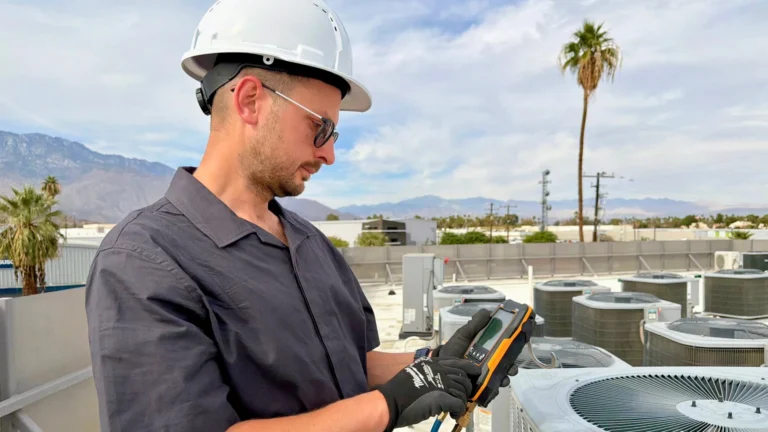
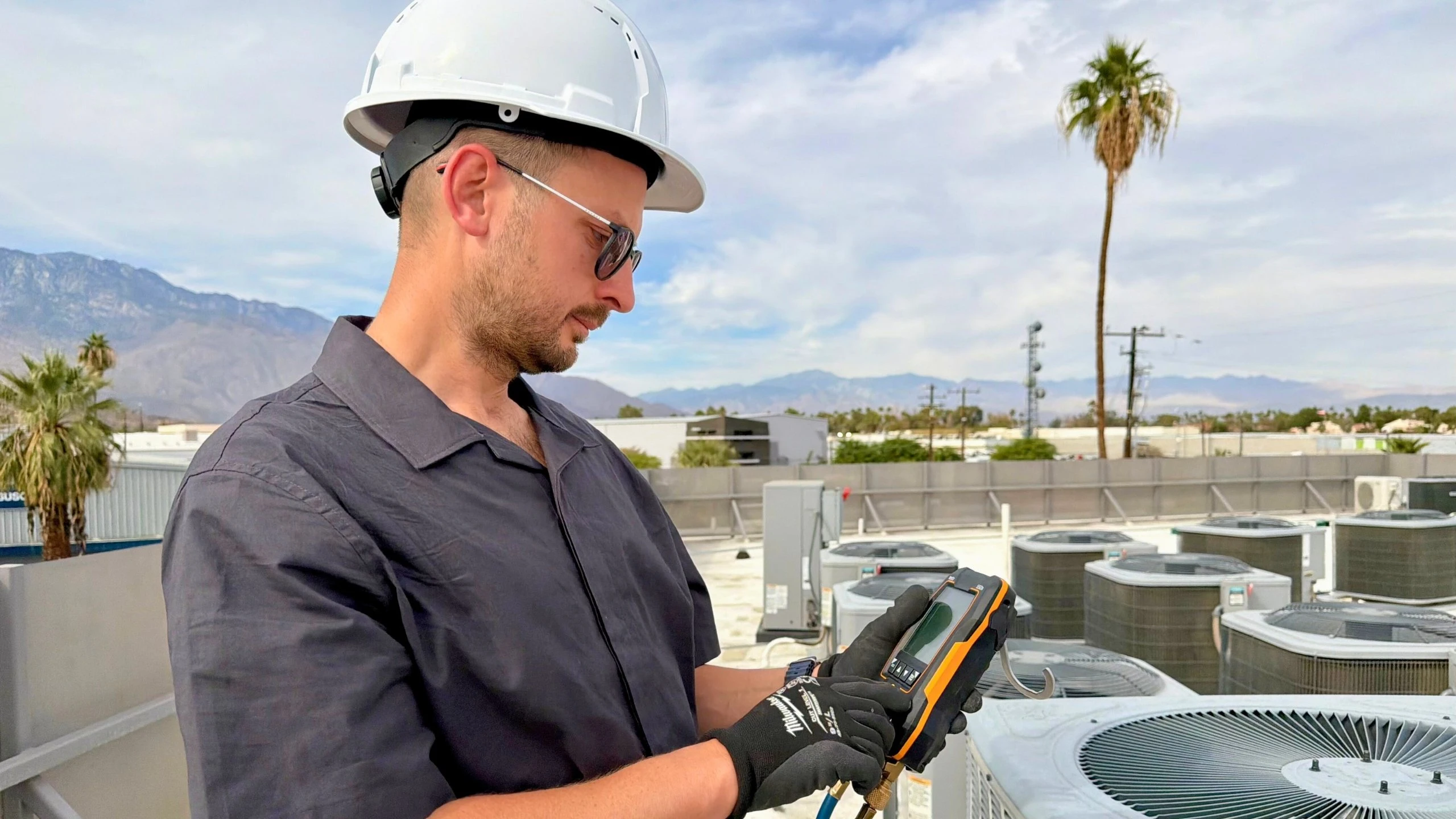
Some answers require instruments. A manometer can measure total external static pressure and reveal whether the blower is struggling against excessive airflow resistance. Checking blower speed settings or ECM profiles against the system’s airflow tables clarifies whether the fan is set for the right cubic feet per minute per ton. Refrigerant charge verification relies on superheat and subcooling readings, which tie together coil condition, airflow, and outdoor load. A professional can also assess the temperature difference between supply and return air under stable conditions, conduct duct pressure tests, and compare return grille area to design guidelines. These steps differentiate a failing component from a design constraint that no filter change or thermostat adjustment can fix.
Airflow underpins cooling performance, and many comfort complaints trace to filters, coils, ducts, or settings that keep air from moving as intended. Work through simple checks safely, keep filters and coils clean, and avoid habits like closing multiple registers or running the fan continuously in humid weather. When symptoms point beyond what you can see, schedule a diagnostic visit that includes airflow and duct evaluation, not just a quick refrigerant refill. Addressing airflow first often restores comfort, protects equipment, and gives you clearer choices if replacement or duct improvements make sense down the road.
About the Author